Views: 0 Author: Site Editor Publish Time: 2026-01-27 Origin: Site


Noise is a growing problem in both homes and workplaces. The constant disruptions from traffic, machinery, or even conversations can be overwhelming. This article covers the importance of choosing the right soundproof material to create a peaceful environment. In this guide, you will learn about 15 effective soundproof materials, their applications, and how they work to reduce unwanted noise.
Mass plays a vital role in blocking airborne sound, as heavier materials are better at absorbing and reflecting sound waves. The more massive a material, the harder it is for sound to pass through, making mass an essential component in effective soundproofing. For example, Mass-Loaded Vinyl (MLV) is widely used because of its ability to add mass to structures without being too thick or cumbersome. Similarly, Acoustic Plasterboard increases mass in walls and ceilings to reflect sound waves, improving sound isolation in residential and commercial settings.
| Material | Mass | Application | Effectiveness | Technical Specifications | Considerations |
|---|---|---|---|---|---|
| Mass-Loaded Vinyl (MLV) | 10 kg/m² (typical) | Walls, floors, ceilings, doors | Highly effective in blocking airborne noise | Thickness: 2mm-5mm, Flexible, High Mass | Easy to install, but may require additional support for large areas. |
| Acoustic Plasterboard | 15-30 kg/m² (varies) | Walls, ceilings | Good for medium to high-frequency sound insulation | Thickness: 12.5mm-15mm, Density: ~750-800 kg/m³ | Adds weight to structures, can increase load on frames. |
Tip: When selecting a soundproof material, ensure the mass is appropriate for your application. MLV is great for flexible installation, while acoustic plasterboard is ideal for permanent installations in walls and ceilings.
Damping is a method used to reduce sound vibrations by converting them into heat. Materials that offer damping qualities help absorb vibrations and prevent them from transferring through a structure. Green Glue, a popular damping compound, is applied between two layers of drywall to dissipate sound energy and minimize noise transfer. This process works particularly well for reducing low-frequency noise, which can be challenging to control with traditional mass and decoupling methods.
Decoupling involves separating structures to interrupt the path of sound vibrations. By creating gaps between materials, decoupling minimizes the direct transfer of sound from one surface to another. Resilient Channels and Isolation Clips are widely used for decoupling in walls, ceilings, and floors. These systems create a barrier that disrupts the flow of vibrations, which is especially effective for impact noises such as footsteps and machinery.
| Decoupling Material | Application | Effectiveness | Technical Specifications | Considerations |
|---|---|---|---|---|
| Resilient Channels | Walls, ceilings, floors | Highly effective for blocking impact noise like footsteps and machinery | Material: Steel or Aluminum, Thickness: 0.5mm-1.5mm, Length: 2400mm | May require professional installation, adds slight depth to structure. |
| Isolation Clips | Walls, ceilings | Disrupts sound vibrations between surfaces | Material: Steel and Silicone, Dimensions: Varies by model, Weight: 0.1-0.5 kg per clip | Effective for decoupling but may require additional materials for full system integration. |
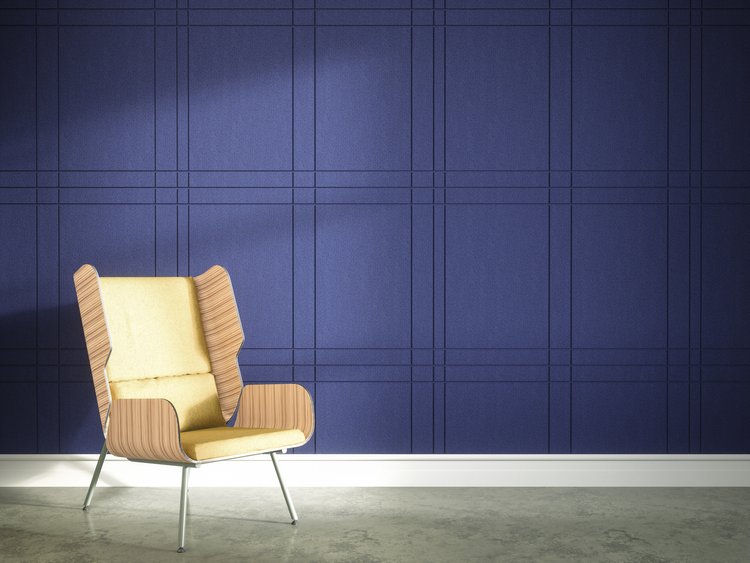
Mass-Loaded Vinyl (MLV) is one of the most effective materials for blocking airborne noise. It is a dense, flexible material that can be installed in walls, floors, and ceilings to prevent sound from traveling. The high mass of MLV reflects sound waves, making it an excellent choice for reducing noise in apartments or offices. Its versatility allows it to be used in both residential and commercial soundproofing projects.
Acoustic plasterboard is similar to regular plasterboard but has increased density, which helps block airborne sound. It is commonly used in construction to improve soundproofing in walls and ceilings. By adding mass to the structure, it enhances the ability to block noise from outside or between rooms. It is ideal for spaces where sound insulation is crucial, such as offices, music studios, and residential buildings.
Acoustic glass is designed to block external noise while still allowing natural light into the room. It consists of multiple layers of glass with air gaps in between, which create a barrier to sound waves. This material is commonly used in windows and doors to reduce traffic noise, street noise, or other external disturbances. The combination of mass and decoupling in acoustic glass makes it highly effective for soundproofing in noisy urban environments.
Rubber crumb underlay is a material made from recycled rubber that is highly effective at reducing impact noise, such as footsteps or dropped objects. It works by compressing and decompressing with the impact, spreading the vibration energy and minimizing noise transmission to other surfaces. This underlay is often used beneath flooring materials like hardwood, laminate, or tile to isolate sound vibrations and create a quieter environment.
Closed-cell foam is an ideal material for reducing impact vibrations. Its structure allows it to compress under pressure, effectively dissipating sound energy. This foam is commonly used in floors, walls, and preformed panels to absorb and isolate impact noises. The foam's ability to flex and return to its original shape ensures long-lasting noise reduction, making it a popular choice for both residential and commercial soundproofing.
Tecsound is a versatile, high-quality viscoelastic membrane used to reduce both airborne and impact noise. It is available in different weights and can be applied to walls, floors, and ceilings. The material's flexibility and mass make it highly effective at blocking sound, while its damping properties help absorb vibrations. Tecsound is commonly used in areas with high noise levels, such as offices, apartments, and industrial settings.
Acoustic sealant is essential for sealing gaps and cracks in walls, ceilings, and floors where sound might leak through. This flexible material is applied around edges, seams, and joints to prevent flanking transmission, which occurs when sound bypasses soundproof barriers through small openings. Acoustic sealant is often used in conjunction with other soundproof materials like MLV and acoustic plasterboard to ensure a tight seal and maximize sound isolation.
Pipes are one of the most common sources of flanking noise, as sound can travel through them and into adjacent rooms. Acoustic Pipe Wrap is a specialized material designed to insulate pipes and prevent sound from traveling through the plumbing system. It is typically made from a combination of felt and mass-loaded vinyl and can be wrapped around pipes in walls or ceilings to reduce noise transmission.
Isolation strips are used to prevent vibration transmission between floor joists and wall studs. Made from rubber or similar materials, these strips are placed between structural elements to decouple surfaces and reduce the transfer of vibrations. Isolation strips are particularly useful for soundproofing floors and walls in multi-story buildings, helping to minimize noise disturbances between levels.
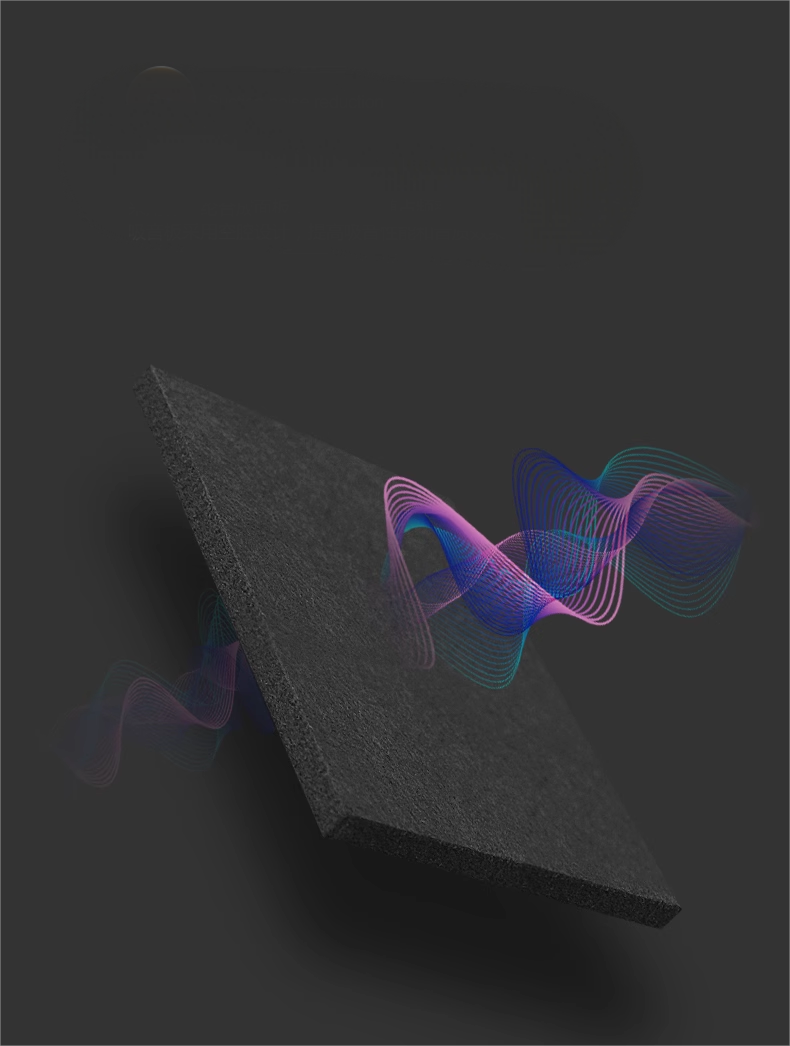
Acoustic foam panels are widely used in recording studios, home theaters, and meeting rooms to reduce sound reflections and improve internal acoustics. These panels absorb sound waves and help prevent echo, making them ideal for spaces where sound clarity is important. While they are excellent for improving room acoustics, they are not effective for blocking noise from external sources.
Acoustic fabric wall panels combine aesthetic appeal with sound absorption capabilities. These panels are covered in fabric and filled with sound-absorbing material such as fiberglass or foam. They are commonly used in commercial spaces like theaters, offices, and home theaters, offering both acoustic benefits and a visually pleasing appearance. Fabric panels help reduce reverberation and enhance sound quality within a room.
Soundproof curtains are designed to block noise from entering or leaving a room through windows and doors. Made from thick, dense fabric, these curtains absorb sound waves and reduce noise transmission. They are an affordable and temporary solution for soundproofing, often used in homes, apartments, or studios where external noise is a concern. While not as effective as other materials, they provide a noticeable improvement in noise reduction.
Acoustic caulk is used to seal gaps and cracks around doors, windows, and other openings in walls and ceilings. It is a flexible, elastic material that helps prevent sound leaks by filling small gaps where sound may travel. Acoustic caulk is essential for achieving a complete soundproofing solution, as even the smallest gaps can significantly reduce the effectiveness of other soundproof materials.
Acoustic putty pads are used to seal small holes around electrical outlets, switches, and light fixtures. These pads are placed around electrical boxes to block sound from leaking through. They are particularly useful for reducing noise transmission in walls and ceilings, where electrical outlets or other fixtures are present. Acoustic putty pads are an easy-to-install solution for improving soundproofing in existing spaces.
Weatherstripping and door sweeps are used to seal gaps around doors and windows, preventing sound from entering or leaving a room. Weatherstripping tape is applied to the door frame, while door sweeps are installed at the bottom of doors to seal the gap between the door and floor. These materials are essential for improving the overall effectiveness of soundproofing systems, especially in homes or offices located near noisy environments.
Soundproof paint is a specialized coating that can be applied to walls and ceilings to reduce sound transmission. It works by adding a layer of mass to the surface, which helps block sound waves. While soundproof paint is not as effective as other materials like MLV or acoustic plasterboard, it can provide a modest improvement in noise reduction. It is ideal for areas where other soundproofing solutions are not feasible.
Soundproof wallpaper is designed to absorb sound and improve room acoustics. While it is not as effective as other soundproof materials, it provides a simple and aesthetically pleasing way to reduce noise in a room. This wallpaper is typically made from foam or other absorbent materials and can be applied to walls in homes, offices, or apartments to reduce noise.
| Property | Description | Application | Technical Specifications | Considerations |
|---|---|---|---|---|
| Material | Made from foam or other absorbent materials, with a decorative surface | Used to reduce noise in homes, offices, and apartments | Density: 0.2-0.6 g/cm³, Thickness: 2mm-5mm, Available in various decorative finishes | Relatively weak soundproofing effect, not suitable for high-noise environments. |
| Effectiveness | Absorbs sound and improves room acoustics, reducing echo | Ideal for improving indoor acoustics and reducing noise from outside or neighbors | Noise Reduction: 20-30 dB (depends on material and thickness) | Not ideal for environments with extremely high noise levels. |
| Installation Method | Applied directly to walls, easy to install | Wall decoration and temporary soundproofing solution | Installation: Seamless adhesion, Temperature Range: -10°C to 50°C | Ensure the wall is clean and smooth before installation to avoid air bubbles or uneven application. |
| Aesthetics | Available in various patterns and colors to match interior design | Suitable for home, office, and other environments | Variety of patterns and colors that blend well with interior designs | Aesthetic appeal is strong, but soundproofing effect is weaker compared to other materials. |
Acoustic ceiling tiles are used in commercial spaces to absorb sound and reduce echo. These tiles are made from sound-absorbing materials and are designed to be installed directly onto the ceiling. They are commonly used in offices, schools, and other environments where controlling noise is important. Acoustic ceiling tiles help create a quieter, more focused environment by reducing reverberation and background noise.
Soundproofing plays a crucial role in creating peaceful and comfortable environments. This guide covered 15 different soundproof materials, each serving a unique purpose, whether for airborne noise, impact noise, or flanking transmission. Combining materials like Mass-Loaded Vinyl and acoustic foam or soundproof paint with weatherstripping ensures maximum effectiveness. For comprehensive soundproofing, it’s vital to choose the right materials based on your specific needs. Suzhou Yuheng Textile Co., Ltd. offers high-quality soundproof fabrics that contribute significantly to noise reduction. Their products are designed to meet the specific soundproofing demands of both residential and commercial projects, providing value by enhancing both acoustics and aesthetics in various environments.
A: A soundproof material is a substance designed to block or absorb sound, preventing noise from traveling between spaces. Common types include Mass-Loaded Vinyl, acoustic foam, and soundproof glass.
A: Soundproof materials work by either absorbing sound waves, reflecting them, or preventing them from passing through walls, ceilings, or floors. Materials like acoustic plasterboard add mass, while foam panels absorb sound energy.
A: Using soundproof material improves privacy, reduces noise pollution, and enhances comfort by creating quieter spaces. It’s ideal for noisy environments, home offices, and recording studios.
A: The cost of soundproof materials can vary depending on the type and application. For example, acoustic foam is affordable, while mass-loaded vinyl or soundproof windows can be more expensive due to their higher effectiveness.
A: For impact noise, Rubber Crumb Underlay and closed-cell foam are highly effective. These materials absorb vibrations, preventing them from transferring through floors and walls.
A: To install soundproof materials in walls, apply materials like mass-loaded vinyl or acoustic plasterboard directly to the wall surface. Ensure all seams are sealed with acoustic caulk to prevent sound leaks.
A: Soundproof materials are highly effective at blocking airborne and impact noises, but no material can block all noise entirely. Combining different materials, such as soundproof paint and foam panels, maximizes noise reduction.
A: Soundproof materials block or absorb sound to prevent it from entering or leaving a space. Noise-cancelling materials, on the other hand, use technology to reduce noise within a room by generating opposite sound waves.

