Views: 0 Author: Site Editor Publish Time: 2026-01-15 Origin: Site


Are you struggling with poor acoustics in your room? Installing acoustic panels can be a game-changer. These panels effectively reduce noise and echo, improving sound quality for any space. In this article, we’ll show you that installing acoustic panels is surprisingly simple! You’ll learn easy, actionable steps for first-timers and DIY enthusiasts, from choosing the right panels to mounting them correctly.
Before starting the installation process, it is crucial to ensure that the surface where the acoustic panel will be mounted is clean and dry. Dust, grease, or moisture can interfere with the adhesion, resulting in the panels not staying in place as expected. A smooth surface also ensures that the panel sits evenly, allowing for better sound absorption. Use a damp cloth or mild cleaning solution to wipe down the walls, and make sure they are completely dry before proceeding. For a stronger bond, consider lightly sanding glossy or uneven surfaces to create better grip.
Once the surface is prepped, it's time to plan where the panels will go. This step is essential for both acoustic and aesthetic reasons. Start by measuring the area you want to cover and marking the spots where each panel will be placed. Use a pencil to draw straight, even lines and a spirit level to ensure the panels will be installed without tilts. Planning your layout carefully ensures that the panels cover the most crucial sound reflection points while maintaining a visually appealing and organized arrangement. Proper spacing between the panels is also important to achieve a balanced sound environment.
The method you choose to mount your acoustic panels depends on several factors, including the type of wall, panel weight, and whether you want a permanent or temporary installation. The three main methods are adhesive mounting, screw installation, and using a batten system.
Adhesive mounting is the easiest and most common method, ideal for lighter panels and renters who want a damage-free solution.
Screwing is perfect for heavier panels or installations on ceilings, providing more stability and longevity.
Batten systems are best when you want to create an air gap behind the panels for better sound performance, and they are great for uneven walls.
The adhesive method is a popular choice for renters or those who need a quick, damage-free installation. This method involves applying adhesive or strong double-sided tape to the back of the acoustic panel. Once the adhesive is in place, you press the panel firmly against the wall for a secure bond. Ensure that the surface is smooth and clean for optimal adhesion. One downside is that once placed, it is difficult to reposition the panel, so be sure of the placement before pressing it into place.
For a more secure and permanent installation, especially for heavier panels, screwing the panels into place is the best option. Start by marking where you want the panel to go and drilling pilot holes in both the panel and the wall. Next, insert screws into the wall anchors or plugs (for masonry or drywall), and attach the panel securely with screws. This method is ideal for ceiling installations where gravity might be a concern or when extra stability is required.
Using a batten system to install acoustic panels is a method that enhances both durability and acoustic performance. This table outlines the steps, materials, technical specifications, and important considerations to help you understand the requirements and best practices for batten installation.
| Step/Component | Requirements | Technical Specifications | Considerations | Application Examples |
|---|---|---|---|---|
| Choice of Batten Material | Typically wood (pine, oak, or other hardwood) | Standard batten size: 50mm x 20mm | Ensure battens are straight and free of cracks | Ideal for offices, home theaters with high durability needs |
| Spacing Between Battens | Recommended spacing: 50 cm | Batten spacing: 50 cm | Overly small or large spacing can affect acoustic performance and stability | Improves acoustic panel absorption, suitable for noisy environments |
| Panel Thickness | Panel thickness ranges from 2 cm to 5 cm | Performance: Thicker panels provide better sound absorption | Thicker panels increase installation complexity and cost | Suitable for conference rooms, recording studios with high acoustic requirements |
| Insulation Material | Use mineral wool, fiberglass, etc. | Absorption Coefficient: Mineral wool absorption coefficient ranges from 0.7-0.9 (depending on density) | Ensure even distribution of filling material | Enhances wall insulation, ideal for noisy office environments |
| Installation Tools | Drill, screwdriver, screws, hammer | Tools required: Use appropriate drill bits for wall material to avoid damage | Use the correct drill bit for wall material to avoid wall damage | Electric tools are best for large batch installations |
Tip:Make sure the battens are securely attached to the wall to prevent any instability or panel misalignment during installation.
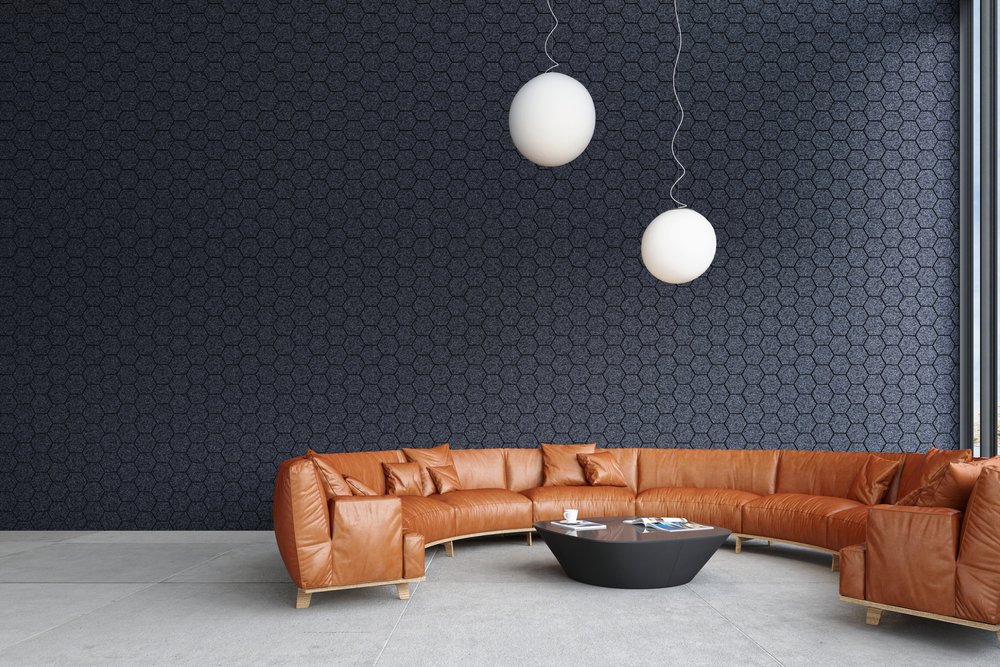
For those who are renting or need a temporary setup, removable mounting methods are a great option. Command strips, hook-and-loop fasteners, and specialized adhesive squares allow you to install the panels securely without causing damage to the wall. The panels can be easily removed and repositioned without leaving any residue or marks behind, making it ideal for temporary or rented spaces. This is a non-permanent solution that doesn’t require drilling or heavy adhesives, and is perfect for lightweight foam panels.
Acoustic panels don’t have to just be functional; they can also enhance the design of your room. Many acoustic panels come in various finishes and materials that can complement your interior decor. Wood veneer panels, for example, offer a sophisticated look while still providing excellent sound absorption. You can install acoustic panels horizontally or vertically to create unique accents, framing pieces of furniture or even creating feature walls. This dual-purpose integration of style and functionality makes acoustic panels a fantastic addition to both residential and commercial spaces.
When installing acoustic panels, it’s important to ensure they fit the designated spaces. This may involve cutting panels to size for outlets, wall ends, or irregularly shaped spaces. For clean, precise cuts, use a jigsaw or utility knife. If you’re working with slat panels, make sure to cut from the back to maintain the integrity of the decorative front. For tricky spaces, always measure carefully before cutting, and remember that it's easier to trim off excess material than to deal with panels that are too small.
Perfect alignment of acoustic panels is crucial for achieving the desired aesthetic and acoustic effect. This table summarizes the key tools, steps, and requirements to ensure precise alignment during the installation process.
| Alignment Component | Tools/Materials | Technical Specifications | Considerations | Application Examples |
|---|---|---|---|---|
| Marking Alignment Lines | Spirit level, pencil | Maximum tilt: Less than 2mm | Use high-quality spirit level for accurate markings | Essential for all wall installations, especially in home settings |
| Checking Wall Flatness | Laser level, spirit level | Wall tilt: Less than 1° | In case of significant tilt, adjust installation methods accordingly | Especially useful for irregular walls, ensures even panel placement |
| Using Alignment Tools | Adjustment clamps, hooks | Alignment Precision: ±0.5mm | Ensure tools are stable and easy to operate | High-precision alignment for demanding spaces like recording studios or meeting rooms |
| Post-Installation Checks | Tape measure, spirit level, handheld laser pointer | Check alignment tolerance: ±1mm | Regular checks during installation can prevent misalignment | Perform a final alignment check post-installation to ensure overall effect |
Tip:It’s best to check alignment every 2-3 panels during installation to ensure the entire wall is uniform and straight.
When installing large or heavy acoustic panels, especially on ceilings or high walls, safety should be your top priority. Consider using a step ladder or scaffolding if necessary. If you're working with heavy panels, it's a good idea to have a second person assist you, as this makes the process easier and safer. Always wear safety goggles when drilling and be mindful of potential electrical wiring in the wall before you start drilling.
To ensure that your acoustic panels continue to function effectively, regular maintenance is essential. Dust them frequently with a soft cloth or a vacuum with a brush attachment to avoid a buildup of debris. If your panels get stained or dirty, use a damp cloth with a mild cleaning solution to wipe them down, but always test the cleaning method on a small area first. Keeping the panels clean ensures they maintain their appearance and acoustic performance.
Failing to properly clean or prepare the wall can lead to the panels not adhering correctly or falling off over time. Always ensure the surface is smooth, clean, and dry before applying adhesive or mounting panels. This step is crucial for ensuring the longevity and effectiveness of the installation.
One of the most common mistakes is placing panels in areas where they won't be effective. For maximum sound absorption, place panels on reflective surfaces where sound bounces off, such as walls, ceilings, or near speakers. Using the mirror trick, as discussed earlier, helps you determine where sound reflects most, ensuring you place your panels where they can make the biggest impact.
Before drilling holes or applying adhesive, check for electrical wires or other obstacles behind the wall. You don't want to drill into wiring, which can be dangerous and costly to repair. Use a stud finder to locate any wiring or pipes in the wall to avoid potential hazards.
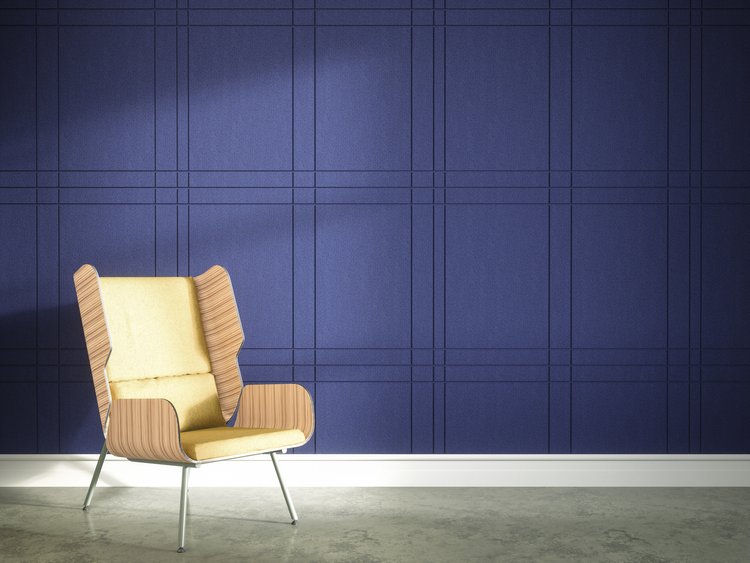
When selecting acoustic panels, consider the material and design based on your space's needs. Foam panels are light and easy to install, while wood and fabric panels offer better sound absorption and a more aesthetic appeal. The design should complement the room's decor, creating a harmonious balance between functionality and style.
It’s essential to understand the performance ratings of the panels. Look for products that provide high absorption rates in the frequency range that’s most relevant for your space (e.g., speech frequencies for offices or low frequencies for home theaters). Panels with higher ratings in absorption will perform better at reducing unwanted sound.
Choosing the right acoustic panels that match the room's interior design is an important step in creating a harmonious environment. This table helps you understand how to select the right colors, materials, and designs for your acoustic panels while maintaining functionality.
| Design Element | Selection Criteria | Color/Material Recommendations | Technical Specifications/Performance Requirements | Considerations |
|---|---|---|---|---|
| Color Matching | Choose panel colors based on the overall room tone | Warm tones: Oak, walnut; cool tones: Grey, black | Absorption performance: Not affected by color, focus on material and thickness | Ensure the color complements existing furniture and wall decor |
| Material and Texture | Material choice affects both design and acoustic performance | Wood panels for modern, natural styles; fabric panels for minimalist looks | Fiber panels, wood panels density affects sound absorption | Choose materials that align with both functional needs and design goals |
| Panel Size and Layout | Panels should fit the wall dimensions and proportion | Common sizes: 30x30 cm, 60x60 cm; custom sizes available | Incorrect size or layout can lead to installation issues and visual imbalance | Consider room size and the required sound absorption area before selecting panel sizes |
| Custom Design and Artistic Features | Decide if the panels will be a focal point in the room | Custom panels: Artistic wall designs or features | Provide more design choices to enhance aesthetic appeal | Custom designs can elevate the uniqueness of a space while maintaining functional sound absorption |
Installing acoustic panels is a surprisingly simple process that can enhance the acoustics of any space. By following the straightforward steps outlined in this guide, even first-timers and DIY enthusiasts can achieve professional results. Whether you are a renter or homeowner, this cost-effective, DIY solution is an excellent way to reduce noise, reverberation, and echo. For those looking to integrate high-quality acoustic panels with superior durability and performance, Suzhou Yuheng Textile Co., Ltd.offers a range of products designed for both residential and commercial spaces. Their panels are crafted to meet high standards of sound absorption, ensuring that your environment remains quiet and comfortable while complementing your room’s aesthetics.
A: An acoustic panel is a sound-absorbing material designed to reduce noise, reverberation, and echo in a room. They are commonly used in offices, home theaters, and studios to improve sound quality and acoustics.
A: Installing an acoustic panel is simple. Clean and dry the surface, plan the layout, and choose the appropriate mounting method, such as adhesive, screws, or a batten system. Follow the step-by-step instructions for easy installation.
A: An acoustic panel in your home office can reduce background noise, making it easier to concentrate and hold virtual meetings. It improves overall sound clarity and enhances the work environment.
A: Yes, acoustic panels can be mounted on ceilings to reduce sound reflection, making it perfect for home theaters or conference rooms where ceiling noise is an issue.
A: The cost of an acoustic panel varies based on material, size, and design. Generally, they range from $20 to $100 per panel, with custom designs costing more.
A: To maintain your acoustic panels, dust them regularly with a soft cloth or vacuum. For stains, use a damp cloth with mild detergent. Always ensure the panels are completely dry before reattaching them to walls.

