Views: 0 Author: Site Editor Publish Time: 2026-01-13 Origin: Site


Acoustic panels are crucial for enhancing sound quality and clarity in spaces like offices, studios, and home theaters. They manage noise, reduce echoes, and create a balanced sound experience. In this article, we will explore the various types of acoustic panels and their applications. You’ll learn how to choose the best panel for your specific needs and space.
Fabric-wrapped panels are a popular choice for many environments, combining sound-absorbing cores like fiberglass or mineral wool with a decorative fabric covering. These panels are excellent for reducing mid and high-frequency sounds, making them perfect for offices, conference rooms, and classrooms. They are versatile in design, offering a range of fabric colors and textures to suit various aesthetic preferences.
Fabric-wrapped panels are also highly durable, long-lasting, and effective at reducing reverberation. They provide excellent sound clarity, making spaces more comfortable for conversations or presentations.
Foam panels are a lightweight and budget-friendly solution for sound absorption, often used in home studios, podcast rooms, and smaller spaces. Made from polyurethane or melamine foam, these panels effectively reduce high-frequency noise and echoes. They are easy to install, typically requiring only adhesive strips or spray for mounting.
However, while foam panels excel at controlling mid to high-frequency sounds, they offer less effectiveness against low frequencies. Despite this, they remain a cost-effective choice for smaller spaces where sound control is essential.
Perforated wood panels combine the natural beauty of wood with effective sound control. These panels feature small holes or slits in the wood that allow sound waves to pass through, where they are absorbed by the backing material. The result is a combination of sound absorption and diffusion, ideal for spaces requiring both aesthetic appeal and acoustic performance.
Often used in auditoriums, restaurants, and upscale commercial spaces, perforated wood panels help create a refined ambiance while managing sound in a balanced way. They are durable and maintain their performance over time.
Polyester or PET (Polyethylene Terephthalate) panels are an eco-friendly option made from recycled materials. These panels are lightweight, effective at absorbing mid to high-frequency sounds, and commonly used in offices, schools, and hotels. With their durable construction and moisture-resistant properties, they are an excellent choice for areas where aesthetics and functionality must go hand in hand.
The eco-friendly nature of these panels makes them particularly appealing for businesses looking to maintain sustainability in their building materials while still achieving strong acoustic results.
Bass traps are specifically designed to absorb low-frequency sound waves, which can often build up in the corners of a room. Made from fiberglass, foam, or mineral wool, bass traps are an essential component for spaces with significant bass buildup, such as recording studios and home theaters. These panels help maintain balanced sound by reducing muddiness and ensuring that low frequencies do not overpower the higher frequencies.
Bass traps are highly effective in controlling unwanted low-frequency noise, leading to a more accurate and refined sound in spaces where precision is critical.
Acoustic panels can either absorb sound to reduce echoes or diffuse sound to enhance spatial clarity. Below is a table comparing the two types based on their functionality and application in different environments.
| Panel Type | Functionality | Ideal Application | Key Features | Performance Data (NRC) |
|---|---|---|---|---|
| Absorptive Panels | Trap sound waves and prevent reflection | Reducing echoes and reverberation in enclosed spaces | Effective at absorbing sound, improving speech clarity, and reducing background noise | NRC: 0.75 - 0.90 |
| Diffuser Panels | Scatter sound waves in various directions | Maintaining natural sound in large spaces, such as theaters or studios | Enhances spatial quality, prevents "dead spots," and creates a more balanced, lively acoustic environment | NRC: 0.70 - 0.85 |
Tip:Choose absorptive panels for areas with excessive echo, like conference rooms or home theaters, and diffusers for large spaces where a more natural sound ambiance is needed, such as concert halls.
Bass traps are specifically designed to address low-frequency sounds that tend to accumulate in the corners of rooms. These panels are thicker and denser to handle the energy of deep bass waves. In contrast, panels designed to absorb mid and high frequencies, such as fabric-wrapped or foam panels, are typically thinner and lighter. Choosing the right panel depends on the acoustic issue you're addressing—bass buildup requires bass traps, while echo and reverb issues are better addressed with absorption panels.
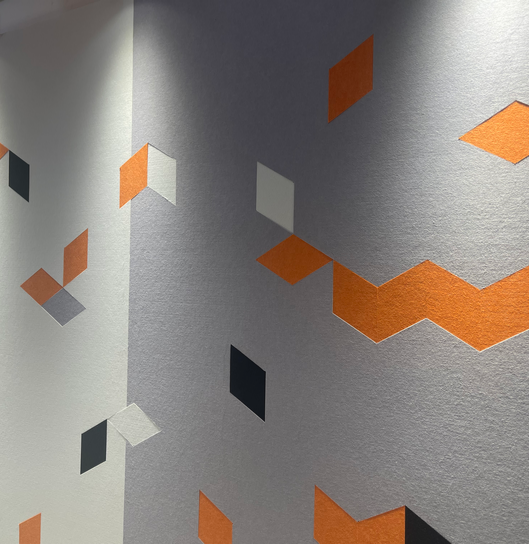
The visual appeal of acoustic panels varies greatly depending on the material. Fabric-wrapped panels offer excellent design flexibility, available in a wide range of colors, patterns, and textures. Perforated wood panels combine sound control with an elegant, natural aesthetic, making them suitable for high-end spaces. 3D decorative panels, made from materials like polyester or foam, add an artistic dimension to acoustic treatment while maintaining functional sound control. The right choice depends on how the panels will integrate with the overall design of the space.
For spaces with excessive echo or reverberation, fabric-wrapped panels, foam panels, and polyester/PET panels are ideal. These panels excel at absorbing sound, particularly mid to high-frequency noise, which is typically the main cause of reverb and echo. By installing these panels on walls or ceilings, you can significantly improve speech clarity and overall sound quality.
When dealing with bass buildup, corner bass traps or thick absorptive panels are recommended. Bass traps are specifically designed to tackle low-frequency sound waves and should be placed in the corners of a room, where bass frequencies tend to accumulate. Thick absorbers made from fiberglass or mineral wool also help in reducing bass buildup, ensuring balanced sound throughout the space.
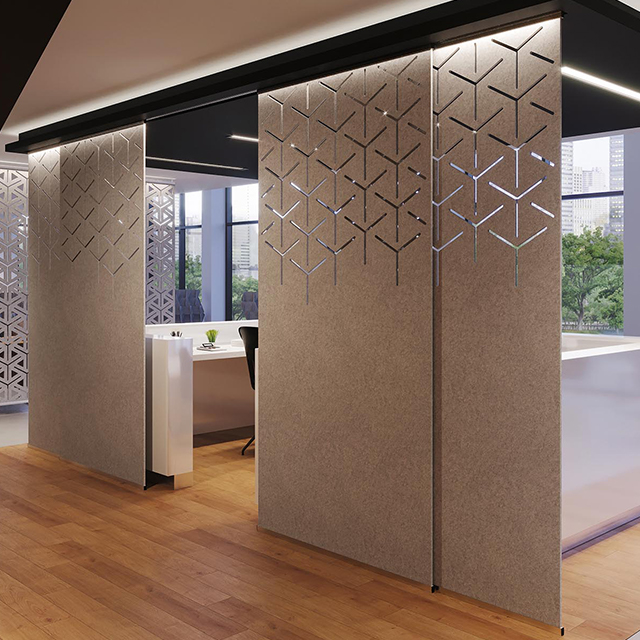
If aesthetics are a priority, perforated wood panels and 3D decorative panels are a perfect choice. These panels offer an excellent balance between functionality and visual appeal, allowing you to manage sound while enhancing the room’s design. Wood panels are particularly suited for environments where elegance and style are important, such as restaurants, hotels, and upscale offices.
The first step in selecting the right acoustic panel is identifying the primary sound issue in your space. Is the problem excessive echo or reverberation? Are you dealing with bass buildup or uneven sound distribution? By understanding your acoustic challenges, you can select panels that address the specific needs of your room.
Acoustic panels should complement the aesthetic of your space. Consider the existing design elements, such as color schemes, furniture, and architectural features, when choosing your panels. For instance, fabric-wrapped panels offer great flexibility in design, while perforated wood panels add a natural and refined touch.
When selecting panels, balance material costs with their durability and performance. Foam panels are an affordable option for budget-conscious projects, while fabric-wrapped panels and wood options provide superior durability and performance, especially for high-traffic areas. Consider the long-term investment in durability and effectiveness when selecting your materials.
For effective sound management, aim to cover approximately 25-40% of the room’s surface area with acoustic panels. Thicker panels, such as those used for bass traps, provide better results, especially in large or highly reflective rooms. Proper placement of panels is also crucial for maximizing their effectiveness.
When selecting acoustic panels for different spaces, it’s essential to consider the unique acoustic needs and aesthetic preferences of each environment. The following table provides a detailed comparison of various acoustic panels based on the type of space, their frequency range, and key features.
| Space Type | Acoustic Panel Type | Frequency Range Addressed | Recommended Application | Key Features | Performance Data (NRC) |
|---|---|---|---|---|---|
| Home Theaters & Media Rooms | Fabric-Wrapped Panels | Mid-High Frequencies | Absorbing mid to high frequencies, improving speech clarity and overall audio experience | Customizable fabric options, excellent sound absorption for clear dialogue and sound effects | NRC: 0.75 - 0.90 |
| Bass Traps | Low Frequencies | Placed in corners to absorb bass buildup and improve sound accuracy | Targets low-frequency sound waves, reducing bass distortion and muddiness | NRC: 0.80 - 1.00 | |
| Offices & Conference Rooms | Polyester/PET Panels | Mid-High Frequencies | Reducing noise and echoes, improving speech intelligibility in open office spaces and conference rooms | Eco-friendly, lightweight, and effective for general sound absorption | NRC: 0.75 - 0.90 |
| Perforated Wood Panels | Mid to High Frequencies | Aesthetic appeal, sound absorption and diffusion in conference rooms, executive offices | Combines aesthetic value with effective absorption and diffusion, durable for high-traffic spaces | NRC: 0.70 - 0.85 | |
| Industrial & Public Spaces | Metal Acoustic Panels | Mid to High Frequencies | Managing noise in large industrial spaces like factories or gyms | Durable, fire-resistant, and moisture-resistant, ideal for harsh environments | NRC: 0.60 - 0.80 |
| Ceiling Clouds | Mid-High Frequencies | Absorbing sound in large open areas such as gyms, auditoriums, or transportation hubs | Suspended from ceilings, absorbs sound reflections, reduces reverberation | NRC: 0.80 - 0.90 | |
| Recording Studios | Foam Acoustic Panels | High Frequencies | Controlling reflections, improving sound quality in small or home studio settings | Lightweight, cost-effective, excellent for high-frequency sound absorption | NRC: 0.75 - 0.85 |
| Diffuser Panels | High Frequencies | Maintaining natural sound quality, preventing dead spots in studios or performance areas | Scatters sound waves in different directions, enhancing spaciousness without deadening the sound | NRC: 0.70 - 0.85 | |
| Restaurants & Public Venues | 3D Decorative Acoustic Panels | Mid-High Frequencies | Enhancing both aesthetics and acoustics, used in upscale restaurants and venues | Unique design, blends sound absorption with visual appeal | NRC: 0.75 - 0.85 |
| Schools & Educational Spaces | Fabric-Wrapped Panels | Mid-High Frequencies | Reducing noise distractions, ensuring clarity in classrooms and auditoriums | Customizable designs to match school décor, effective at reducing noise in busy environments | NRC: 0.75 - 0.90 |
Tip:When selecting panels, consider both their acoustic properties and visual appeal. In spaces like offices or public venues, balancing functionality with aesthetics ensures an optimal environment without sacrificing design.
Acoustic panels are essential in achieving clear, balanced sound in various spaces. By understanding the different types of panels, you can address issues like echo, bass buildup, and reverb effectively. Suzhou Yuheng Textile Co., Ltd. offers a range of high-quality acoustic panels, providing both functionality and aesthetic appeal for any space. Their products ensure excellent sound control, durability, and versatility, making them a great choice for improving the acoustic environment in offices, studios, and more.
A: Acoustic panels are used to control sound in a space by absorbing or diffusing sound waves. They reduce echo, reverb, and noise, improving the clarity and overall acoustic quality of rooms such as offices, studios, and home theaters.
A: When choosing acoustic panels, consider the space's acoustic needs—whether you need sound absorption or diffusion. For echo control, absorptive panels like foam or fabric-wrapped panels are ideal. For balance, use diffuser panels for a natural sound distribution.
A: Absorptive panels, like foam or fabric-wrapped panels, trap sound waves and reduce reflections, while diffusers scatter sound waves to prevent dead spots and maintain natural sound in spaces such as performance areas or large rooms.
A: The cost of acoustic panels varies based on the material, size, and design. Foam panels are more affordable, while fabric-wrapped or wooden panels may be pricier. The investment in acoustic panels is worthwhile for better sound clarity and comfort.
A: Yes, acoustic panels, especially fabric-wrapped and polyester panels, can significantly improve speech clarity in offices by reducing background noise and echoes, making communication more effective in open-plan spaces.
A: Acoustic panels are crucial in recording studios to control sound reflections and reduce unwanted reverb. Foam panels and bass traps are often used to achieve accurate sound recording and clear audio playback in the studio environment.

