Views: 0 Author: Site Editor Publish Time: 2026-01-22 Origin: Site


Do you want clearer sound and less echo in your space? Choosing the right acoustic foam shape is key. Acoustic foam plays a vital role in sound absorption and reducing unwanted noise. In this article, we will explore which foam shapes work best for different environments. You’ll learn how each foam shape impacts sound quality and how to make the best choice for your space.
To better understand the function of acoustic foam, we need to look at its physical structure and how it works. Acoustic foam effectively absorbs sound and reduces echo through its unique design. The sound absorption capabilities vary depending on the material, shape, and thickness of the foam. The table below outlines the properties and applications of different types of acoustic foam.
| Property | Description | Application | Absorption Effect | Frequency Range | Density (kg/m³) | Physical Structure |
|---|---|---|---|---|---|---|
| Open-Cell Polyurethane Foam | Highly effective at absorbing high-frequency sound waves, reducing echo and reflection | Small rooms, home studios, offices | High-frequency absorption | High (>2kHz) | 25-35 | Open-cell structure |
| Melamine Foam | Absorbs mid-to-low frequencies, reducing background noise | Music studios, recording rooms, broadcast studios | Mid-to-low-frequency absorption | Mid-range (500Hz - 2kHz) | 35-50 | Open-cell structure |
| Composite Foam | Made from materials like glass wool, providing broader sound absorption | Large conference rooms, restaurants, commercial spaces | Broad-spectrum absorption | High to low-frequency | 45-60 | Composite material structure |
When sound waves come into contact with acoustic foam, they penetrate the surface and get trapped within the foam’s cells. The foam absorbs the sound energy, converting it into heat, which reduces the intensity of the sound. This process helps mitigate issues such as echo and excessive reverb, especially in rooms with hard surfaces that reflect sound waves.
When it comes to improving sound quality and reducing unwanted noise, acoustic foam is one of the most commonly used materials. However, there are several alternatives available, such as fiberglass, soundproofing drywall, and mass-loaded vinyl. Each of these materials has its advantages and limitations, depending on the specific soundproofing needs of a space. Let’s compare them in terms of their absorption capabilities, cost-effectiveness, and ease of installation.
| Material | Absorption Efficiency | Best Use Case | Cost (per square foot) | Ease of Installation | Durability |
|---|---|---|---|---|---|
| Acoustic Foam | Highly effective at absorbing mid-to-high frequencies | Recording studios, home offices, small rooms | $1 - $3 | Easy (adhesive or mounting) | Moderate |
| Fiberglass Insulation | Excellent for broad-spectrum absorption | Large spaces, industrial use | $0.50 - $2 | Moderate (requires professional installation) | High |
| Soundproofing Drywall | Effective for blocking sound transmission, but less absorption | Home theaters, offices needing sound isolation | $2 - $4 | Difficult (requires wall installation) | High |
| Mass-Loaded Vinyl | Great for reducing sound transmission between walls | Apartments, shared walls, between rooms | $2 - $5 | Moderate (adhesive or mounting) | High |
tip: Acoustic foam is ideal for controlling echoes and improving sound clarity in small to medium-sized rooms. For larger spaces or where isolation from external noise is needed, fiberglass insulation or mass-loaded vinyl might be better options.
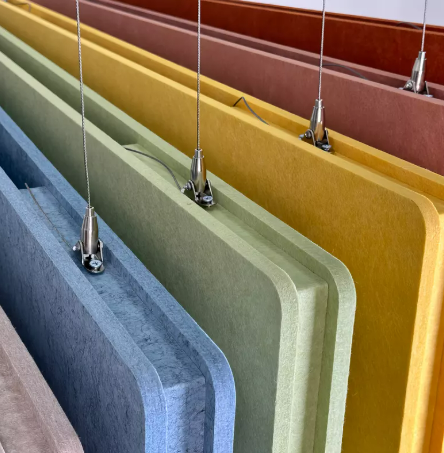
NRC is a key indicator of how well acoustic foam absorbs sound across a range of frequencies. A foam with a higher NRC value will absorb more sound, especially at its rated frequency. When selecting foam, consider both the NRC value and the specific frequency ranges you need to manage. For example, higher NRC foam is ideal for spaces with a lot of reverberation, while mid-to-low frequency absorption may require denser foam or specialized shapes like bass traps. Ensure you choose foam with an NRC that matches your acoustic goals for optimal performance.
Room size plays a significant role in determining the appropriate foam thickness and shape. Smaller rooms with high-frequency issues, such as echo or flutter, benefit from thinner foam like wedges or pyramids, which are more effective in managing high-pitched sounds. Larger rooms, especially those with bass-heavy sounds or low-frequency noise, require thicker foam, such as bass traps, which are designed to absorb lower frequencies and reduce reverberation. The combination of foam thickness and room size ensures both acoustic clarity and a balanced sound environment.
Wedge foam is a popular choice due to its versatility and effective sound absorption properties, particularly in controlling mid-to-high frequencies. The triangular wedge pattern increases the foam's surface area, making it more efficient at absorbing sound waves. This shape is especially effective for reducing flutter echoes, which is critical in recording environments where clarity is essential. Wedge foam is often used in smaller spaces where sound diffusion and absorption are needed, like vocal booths or home studios. It’s also relatively affordable, making it an accessible option for DIY sound treatment projects.
Pyramid foam is a highly efficient shape for absorbing high-frequency sounds. The pointed design increases the surface area, allowing the foam to absorb sound more effectively than flatter options like wedge foam. Pyramid foam excels at controlling reflections and reverb in spaces that deal with high-pitched instruments or amplifiers, such as guitar or drum rooms. The foam's aesthetic appeal makes it a preferred choice for spaces where both performance and design matter. Additionally, pyramid foam is well-suited for small to medium-sized rooms where space is limited, offering a balance between visual style and sound control.
Egg crate foam is distinctively designed with rounded bumps, mimicking the structure of an egg carton. This shape doesn’t just absorb sound but also diffuses it, making it ideal for creating balanced sound environments in larger spaces. By scattering sound waves, it prevents the room from becoming overly “dead” and preserves natural acoustics. This makes it perfect for commercial spaces, such as restaurants or large conference rooms, where you need to control echo without completely eliminating room ambiance. The design helps reduce mid-to-high frequency noise while promoting a more natural, less muffled sound experience in large or open environments.
Bass traps are essential in treating low-frequency sound issues, especially in spaces with subwoofers or bass-heavy instruments. These foam panels are thicker and denser than standard acoustic foam, designed specifically to absorb low frequencies that are typically harder to manage. Placing bass traps in room corners allows them to catch and control the build-up of low-frequency sound waves, which often cause muddiness and distortion in audio. Bass traps not only improve sound clarity in music studios but are also used in home theaters to enhance the audio experience by reducing excessive bass rumble and creating a cleaner, more precise soundstage.
Grid foam panels are designed with an array of raised lines or patterns, providing both absorption and diffusion capabilities. This makes them ideal for managing sound reflection and feedback in spaces where directional control is needed, such as recording booths or tracking rooms. The grid pattern helps to reroute sound waves, preventing sound from bouncing back directly into the microphone or speakers, thus improving audio clarity. Grid foam is particularly effective in treating high-frequency reflections and preventing unwanted sound buildup, especially in smaller or more controlled spaces where pinpoint absorption is necessary for clear, focused sound.
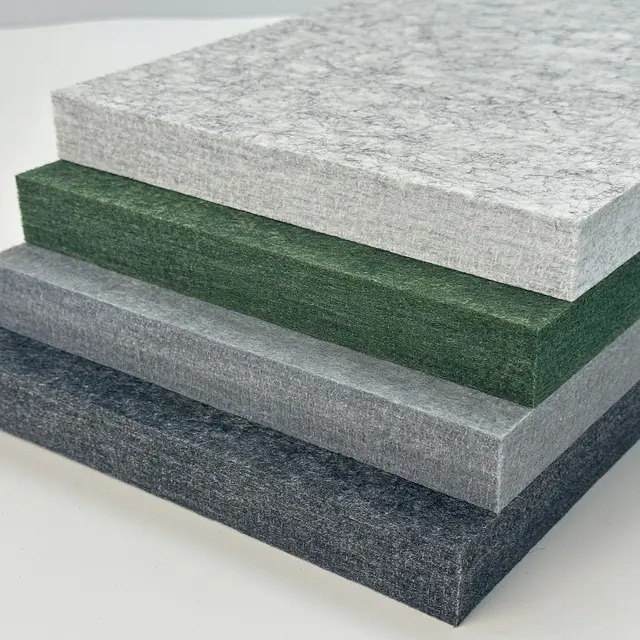
The following table compares the different thicknesses of acoustic foam and their specific sound absorption capabilities. The table includes detailed technical specifications and applications for each thickness, helping you choose the most suitable foam for your space's acoustic needs.
| Foam Thickness | Sound Absorption Effect | Suitable Frequencies | Application | NRC Value (Mid-Range) | Density (kg/m³) | Absorption Power | Frequency Range | Recommended Room Size | Notes |
|---|---|---|---|---|---|---|---|---|---|
| 1-Inch Foam | High-frequency control | High frequencies (2kHz - 4kHz) | Small rooms, offices, home studios | 0.50 | 25-35 | Primarily high-frequencies | High (>2kHz) | Small rooms (<150 sq. ft.) | Best for reducing flutter echo and controlling high-pitched sounds. |
| 2-Inch Foam | Mid-to-high-frequency absorption | Mid-range (500Hz - 2kHz) | Home studios, small to medium spaces | 0.70 | 40-50 | Balances high and mid frequencies | Mid (500Hz - 2kHz) | Medium rooms (150 - 300 sq. ft.) | A good balance of cost and performance, commonly used in recording spaces. |
| 3-Inch Foam | Mid-to-low-frequency absorption | Low to mid-range (100Hz - 500Hz) | Larger rooms, recording studios, home theaters | 0.85 | 55-70 | Effective for bass and mid-bass | Low (100Hz - 500Hz) | Large rooms (300 - 500 sq. ft.) | Better suited for spaces with low-frequency noise, absorbs a wider range of sound. |
| 4-Inch Foam | Low-frequency absorption | Low frequencies (<100Hz) | Large rehearsal spaces, theaters, studios | 1.00 | 80-100 | Best for controlling bass | Low (<100Hz) | Large rooms (>500 sq. ft.) | Excellent for bass control, but may overly dampen sound in smaller rooms. |
tip: For small rooms or spaces primarily dealing with high-frequency noise, 1-inch foam provides cost-effective control. For spaces with bass issues or larger areas, 3-inch or 4-inch foam will be more effective in controlling low frequencies.
While functionality is the primary consideration when choosing acoustic foam, aesthetics play an essential role in the overall design of the space. Acoustic foam panels come in a variety of colors and textures, from classic black and gray to more vibrant hues. Depending on your space’s style, you can select foam that blends in seamlessly or adds a pop of color for a more creative look.
When integrating acoustic foam into a room's design, it’s essential to balance aesthetics and functionality. Foam can influence not only the sound quality but also the atmosphere of a space. For example, using foam in strategic areas like first reflection points helps optimize sound clarity while maintaining a professional appearance. Color choices also matter—neutral tones like black or gray blend seamlessly with most environments, while brighter colors can add a creative touch to more informal settings. Moreover, texture plays a significant role in how foam absorbs sound; a well-thought-out combination of different foam shapes can enhance both acoustic performance and room design without compromising either.
Choosing the right acoustic foam shape is crucial for achieving the best sound quality in any space. Factors like room size, frequency control, and aesthetic preferences play a vital role in your decision. Suzhou Yuheng Textile Co., Ltd. offers high-quality acoustic foam solutions that effectively balance performance and cost. Their products, such as wedge and pyramid foam, provide superior sound absorption and are ideal for both professional and DIY spaces. With a focus on both functionality and design, Suzhou Yuheng Textile Co., Ltd. ensures that their foam solutions deliver exceptional value for various acoustic needs.
A: Acoustic foam is a porous material designed to absorb sound and reduce echo. Its unique structure traps sound waves, converting them into heat, making it ideal for improving sound quality in studios, offices, and other spaces.
A: For small rooms, wedge-shaped acoustic foam is a great option. It effectively absorbs mid-to-high frequency sounds and reduces flutter echoes, providing clear sound without excessive reverberation.
A: Acoustic foam works by absorbing sound waves when they come into contact with the foam’s surface. The foam traps the sound energy, converting it into heat, which helps reduce unwanted echoes and reverberation.
A: Thicker acoustic foam generally absorbs lower frequencies, making it ideal for controlling bass. Thinner foam absorbs higher frequencies, such as mid and treble sounds, offering better control over high-pitched noise.
A: NRC (Noise Reduction Coefficient) measures how well acoustic foam absorbs sound. A higher NRC value indicates better absorption, making it essential to select foam with an NRC that matches your acoustic needs.
A: Yes, acoustic foam can be used in larger spaces, but thicker foam shapes like bass traps may be more effective in managing low-frequency sound and controlling reverberation in such areas.

