Views: 0 Author: Site Editor Publish Time: 2026-03-04 Origin: Site


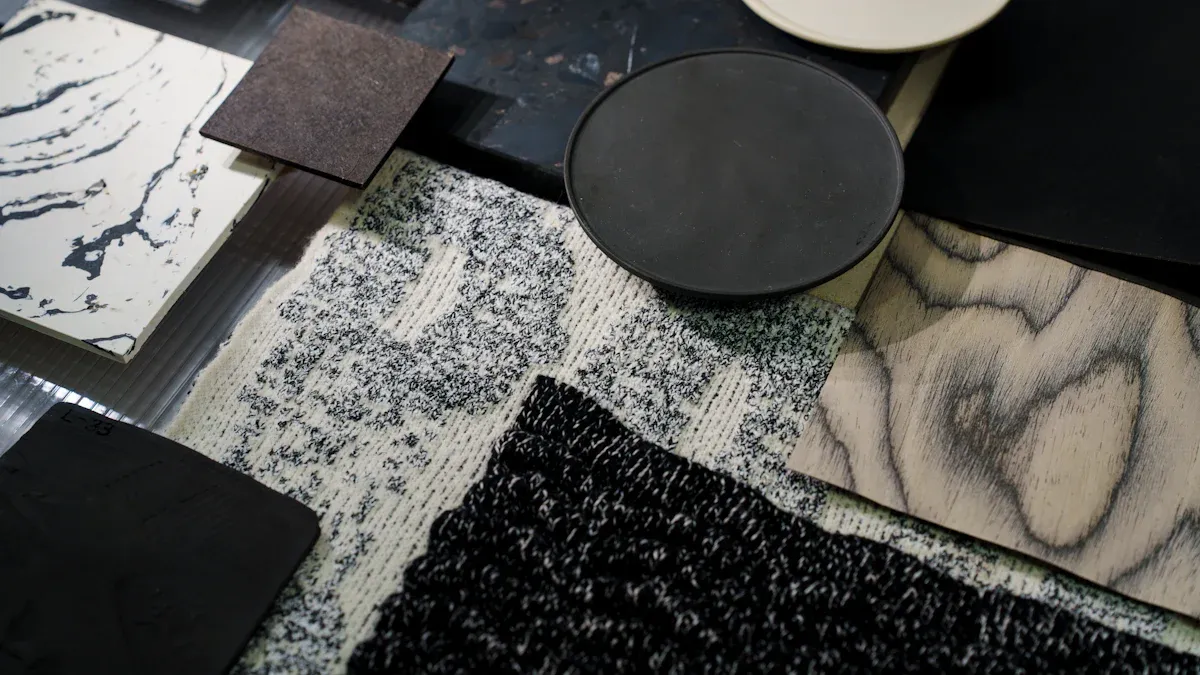
You may wonder, what are Acoustic Tiles? The Complete Guide to Types will provide you with insights into how these panels work. Acoustic tiles help you manage sound in a room, and you can install them on walls or ceilings. They enhance the quality of voices and music, making them sound better. Many people use acoustic tiles for improved sound in loud or echoing rooms. Here are some benefits you will notice:
They cut down on echo and bouncing sounds, so talking and music sound clearer.
They improve sound quality by stopping high frequencies and spreading sound evenly.
If you desire a quiet and calm space, acoustic tiles can significantly enhance your room.
Acoustic tiles help control sound in a room. They make voices and music sound clearer by lowering echo and noise.
These tiles come in different types. Some are drop ceiling tiles, wall panels, or ceiling clouds. Each type works best in certain spaces.
Picking the right material is important. Mineral fiber tiles cost less and work well. Fiberglass tiles block sound even better.
Installing acoustic tiles is easy. You usually do not need special tools. This makes it a good DIY project.
Acoustic tiles make sound better and give more privacy. They are great for classrooms, offices, and recording studios.
Think about the room’s size and shape when you pick tiles. This helps control sound and cut down on echo.
Clean the tiles often by dusting them and checking for damage. This keeps them working well and looking nice.
Using different types of acoustic panels can make sound better. It also makes your space look more interesting.
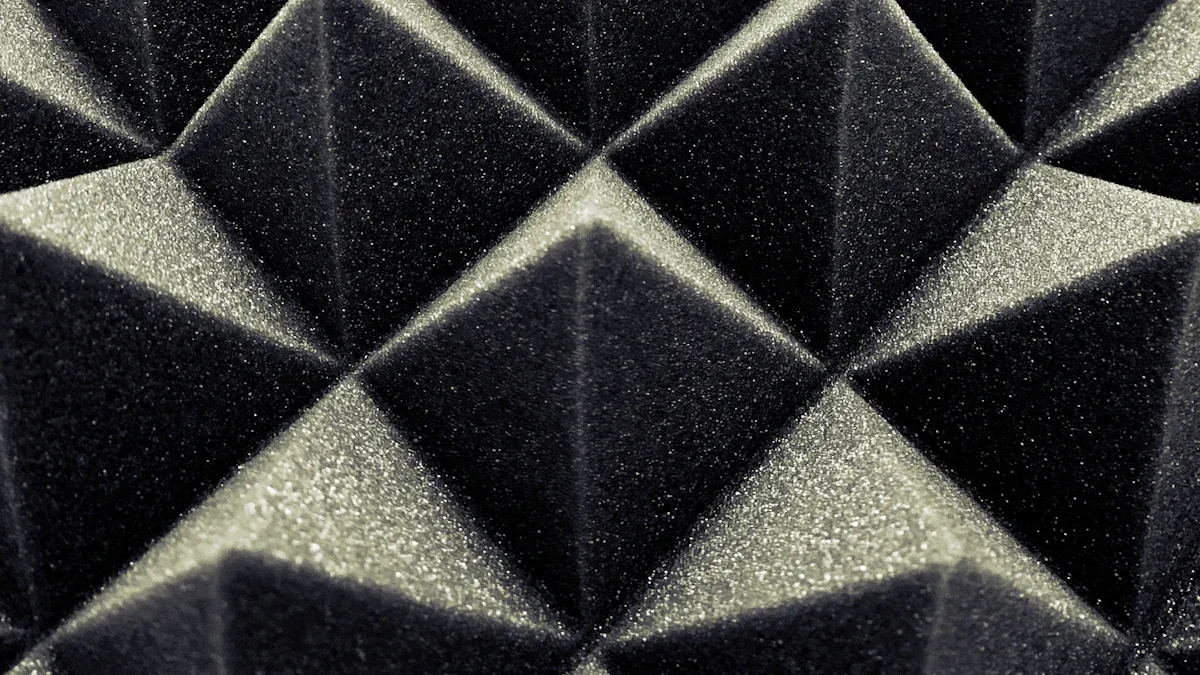
If you ask, what are acoustic tiles, this guide can help you learn their purpose. Acoustic tiles are special panels for walls or ceilings. They help control how sound moves in a room. People in the industry call them ACT, which stands for Acoustic Ceiling Tiles. Most tiles are square and measure about 12 inches by 12 inches. They fit into a hidden grid above your head. Some tiles are bigger, like 24 by 24 inches or 24 by 48 inches. Many acoustic tiles are made from mineral fiber. This material helps soak up sound and makes rooms quieter. These tiles do not block all noise between rooms. But they do reduce echoes and make voices easier to hear.
Acoustic tiles change how sound acts in your room. When you talk, play music, or hear noise, sound waves move through the air. Hard walls or ceilings bounce these waves back. This causes echoes and makes it hard to hear well. Acoustic tiles break up the waves and soak them up. This makes the room feel calmer and less noisy.
Acoustic tiles manage sound by soaking up waves and turning them into heat.
The material and thickness of the tile decide how much sound it can soak up.
Putting tiles in the right places helps control echoes and makes voices clearer.
Some tiles have patterns or holes that let sound go through. Behind these holes, special materials catch the sound and stop it from bouncing around. This design helps you get better sound, especially where you need to hear every word or note.
You may wonder what is different about sound absorption and soundproofing. When you read what are acoustic tiles, you learn these tiles focus on sound absorption, not full soundproofing. Sound absorption means the tiles soak up sound inside a room. This makes it quieter and cuts down on echoes. Soundproofing tries to block noise from coming in or going out.
Acoustic tiles soak up sound inside a room, so you hear less echo.
Soundproofing stops noise from going through walls or ceilings.
Most acoustic tiles do not give full soundproofing between rooms, but they make your space feel more peaceful.
If you want your room to sound better, acoustic tiles are a good choice. If you need to block outside noise, you might need extra soundproofing.
You can use acoustic tiles in many places. When you look at what are acoustic tiles, you see these panels work in homes and public spaces. Here are some common places for acoustic tiles:
Offices
Schools
Hospitals
Recording studios
Churches
Restaurants
Living rooms
Basements
In all these places, acoustic tiles help lower noise and make talking easier. You might see them in a classroom, where they help students hear the teacher. In a restaurant, they keep things from getting too loud. In a recording studio, they make sure every sound is clear.
Tip: If you want a calm and focused space, try using acoustic tiles. The right kind and placement can really change how your room feels and sounds.
When you explore what are acoustic tiles, you find these panels give you many choices for your needs. You can pick from different types, shapes, and materials to fit your space and style.
When you choose acoustic tiles, you will see many types. You can sort them by how you install them, their shape, and where you use them. This helps you find the best fit for your space.
You can install acoustic tiles in different ways. Each method works best for certain rooms and needs.
Drop ceiling tiles hang in a grid system. You often see these tiles in offices, schools, and basements. The grid holds the tiles above your head. This setup hides wires and pipes. Drop ceilings make it easy to swap out old tiles for new ones. Many people pick this method because it is simple and cost-effective.
Wall and ceiling panels attach directly to flat surfaces. You can use these panels on walls or ceilings. They help control sound in home theaters, meeting rooms, or bedrooms. You can glue or screw the panels in place. This method works well if you want to cover only part of a wall or ceiling.
Ceiling clouds and baffles hang down from the ceiling. You often see these panels in large rooms with high ceilings. They float above you and catch sound from all directions. This setup works well in gyms, cafeterias, or open offices. You can use clouds and baffles to add style and improve sound at the same time.
Note: Acoustic tiles come in three main categories based on how they work:
Category
Description
Sound Absorbing
Tiles that soak up sound inside a space.
Sound Blocking
Tiles that stop sound from passing through.
Combination
Tiles that both absorb and block sound.
You can pick acoustic tiles in many shapes and styles. This lets you match your room’s look.
Most acoustic tiles come in square or rectangle shapes. These tiles fit well in grid ceilings or on flat walls. You can use them in rows or patterns. This classic shape works in almost any room.
Some panels have 3D designs or custom shapes. These panels add texture and style to your space. You can use them to create a modern look or highlight a special area. 3D panels also help scatter sound, making your room quieter.
You can use acoustic tiles in many places. Each space has its own needs.
In homes and offices, acoustic tiles help reduce noise and echo. You can use them in living rooms, bedrooms, or meeting spaces. These tiles make voices clearer and help you focus.
Studios and commercial spaces need special sound control. Acoustic panels in these places help you hear music and speech better. You often see these panels in recording studios, restaurants, and stores. They create a calm and pleasant sound.
Acoustic ceiling tiles, often made from mineral fiber, work well in both homes and businesses. They are thin, affordable, and easy to install. You can use them to replace standard ceiling tiles in drop ceilings for better sound.
Tip: Try mixing different types of panels to get the best sound and look for your space.
When you check out acoustic ceiling materials, you see many choices for sound control. This section helps you learn about the main types of acoustic ceiling materials and how they work. You can pick from different materials to fit your sound needs, style, and budget.
Mineral fiber tiles are the most popular kind of acoustic ceiling tile. You find these tiles in offices, schools, and other public places. They are used a lot because they soak up sound well, are easy to put in, and do not cost much. These tiles are made from a mix of natural and recycled stuff, so many people like them for their projects.
Material | Market Share Status | Key Features |
|---|---|---|
Mineral Fiber | Dominant | Excellent sound absorption, affordability, ease of installation |
Fiberglass | Emerging | Lightweight, superior acoustic performance, sustainable manufacturing |
There are several good things about using mineral fiber tiles as acoustic ceiling materials: They soak up sound, so you hear less echo and noise. They are great for places where you need to hear people clearly, like classrooms and offices.
But, mineral fiber tiles have some problems too. They do not do well with moisture. If your room is damp, these tiles might sag or change color after a while.
Fiberglass tiles are another good choice for acoustic ceiling materials. These tiles are light and simple to use. You often see fiberglass panels in places where you want the best sound control. They use glass fibers to catch sound waves, so they are one of the top sound absorbing materials.
Fiberglass tiles have a high NRC value, usually above 0.95. This means they soak up almost all the sound that hits them. Mineral fiber tiles also soak up sound, but fiberglass tiles are usually better. If you want the best sound control, fiberglass panels are a smart choice.
Fiberglass tiles are made in ways that are better for the planet. Many brands use recycled glass, so these panels are a greener pick for acoustic ceiling materials.
Perforated metal tiles give your ceiling a modern look and can match many styles. These tiles are made from metal sheets with small holes. The holes let sound go through to a layer of sound absorbing materials behind the metal. Metal tiles look cool, but they do not soak up sound as well as mineral fiber or fiberglass tiles. Metal tiles bounce sound back, so you may not get as much noise control.
You might use perforated metal tiles if you want a stylish ceiling and only need a little sound control. These tiles work best when you use them with other acoustic materials.
Tip: When you choose acoustic ceiling tiles, think about what kind of acoustic materials you need. Mineral fiber tiles are good for most rooms. Fiberglass panels give you the best sound control. Metal tiles look nice but need extra sound absorbing materials for the best results.
This section about acoustic materials for ceilings shows you the main types of acoustic ceiling materials. Now you can compare what each one does and pick the right panels for your space.
You have more options for acoustic ceiling materials. Fabric-wrapped panels look soft and control sound well. These panels have a fiberglass or other acoustic core. The core is wrapped in fabric. You can choose from many colors and textures. This helps you match your room’s style. Fabric-wrapped panels are good for offices, theaters, and classrooms. They lower noise and make voices easier to hear.
Eco-friendly acoustic materials are also popular now. Many companies use recycled or natural stuff to make tiles and panels. Some panels are made from recycled plastic, natural fibers, or wood. These choices help the environment. Some eco-friendly panels use glues and dyes that do not pollute the air. This means your space has cleaner air.
If you want a green option, look for special certifications like GREENGUARD or FSC. These labels show the materials are safe and healthy. You can use eco-friendly tiles in homes, schools, and offices. They give good sound control and help the planet.
Tip: Dust fabric-wrapped panels often to keep them clean. Eco-friendly panels need the same care as regular tiles.
When you compare acoustic ceiling materials, you want to know how long they last and how much work they need. Here is a table to show the differences:
Material | Durability Characteristics | Maintenance Requirements |
|---|---|---|
Mineral Fiber | Great at soaking up sound, used in offices and schools | Clean often; may sag or change color over time |
Fiberglass | Good for heat and sound control | Clean sometimes; strong and lasts long |
Perforated Metal | Strong and looks modern | Needs little care; does not wear out easily |
Wood panels last a long time too. You only need to dust or vacuum them a little. In most rooms, clean them every few months. In dusty places, clean them more often. If one panel breaks, you can just replace that one.
Wood acoustic panels can last for many years if installed right. They do not collect dust and stains like fabric-wrapped panels. They do not sag like some tiles. Wood keeps looking nice with normal use.
You want your ceiling materials to control sound well. Fabric-wrapped panels and fiberglass tiles both soak up sound and stop echoes. Fiberglass tiles have a high NRC, so they work well in busy rooms. Mineral fiber tiles also absorb sound, but not as much as fiberglass. Perforated metal tiles look cool, but need extra acoustic materials behind them to work best.
Eco-friendly panels can work as well as regular ones. Many use recycled materials that soak up sound and help make your room quiet.
How your ceiling looks is important. Fabric-wrapped panels come in many colors and textures. You can match them to your room’s style. Perforated metal tiles look modern and fit in offices or stores. Wood panels make a room feel warm and natural. Eco-friendly ceiling materials often have special designs and colors. This helps you make your space unique.
You can mix different acoustic materials for the look and sound you want. Pick the right tiles and panels for your needs and style.
Some rooms are loud and hard to talk in. This happens when sound bounces off hard walls and ceilings. Acoustic ceilings help by soaking up sound and lowering noise. When you use acoustic tiles, they add a layer that absorbs sound waves. This makes your room much quieter. You can use these tiles to help make a calm place.
If you want less echo in a classroom, office, or home, acoustic ceilings are a good idea. They soak up extra sound, so voices do not bounce around. This makes it easier to hear people. You can also use acoustic tiles to help with soundproofing. They do not block all noise, but they help control sound inside the room.
Tip: For the best results, use acoustic tiles with other soundproofing tools. This gives you better sound control and makes your room sound nicer.
Acoustic ceilings do more than just lower noise. They also make sound clearer in your room. When you use acoustic tiles, voices and music sound better. This is important in places like classrooms and meeting rooms. Good sound treatment helps everyone hear and understand.
Here is how acoustic ceilings help in these places:
Benefit | Explanation |
|---|---|
Improved Speech Intelligibility | Makes voices clearer by cutting echoes and background noise. |
Noise Reduction | Soaks up sound, so the room is quieter and more peaceful. |
Enhanced Privacy | Stops sound from moving between rooms, so private talks stay private. |
You can see that acoustic tiles help a lot with sound quality. They help you focus, learn, and work better. If you want better sound or need soundproofing, acoustic ceilings are a smart pick. You can use them to make your space sound its best.
Acoustic ceilings do not just help with sound. They also give you lots of design choices. You can pick different shapes, colors, and finishes to match your style. Acoustic tiles come in squares, rectangles, circles, and custom shapes. This makes it easy to fit them in any room.
Here are some design options you can choose:
Design Option | Description | Available Sizes |
|---|---|---|
Geometric Acoustic Ceiling Panels | Many shapes like Hexagons, Circles, Squares, Rectangles, and Trapezoids. | 24 in x 24 in, 24 in x 48 in, 30 in x 30 in, 36 in x 36 in, 42 in x 42 in, Custom sizes available |
Aesthetic Versatility | You can pick from 19 bright colors and 8 wood grain PET finishes. | N/A |
You can use acoustic tiles to match your taste. Many people pick bright colors or wood looks to make their rooms special. Acoustic ceilings let you enjoy good sound and nice style at the same time. You can use these tiles as part of your sound treatments and still have a beautiful space.
Note: Acoustic ceilings help you get better sound, soundproofing, and cool design. You get all these benefits in one solution.
Acoustic ceilings give you more than just better sound. You also get practical benefits that make your space safer, easier to manage, and more affordable. Let’s look at some of the main advantages you can enjoy.
You do not need special tools or skills to install most acoustic ceiling tiles. Many panels are lightweight, so you can lift and place them without much effort. This makes the setup process quick and simple. You can finish a room in less time than with heavy, traditional ceiling materials.
Most acoustic tiles fit into a grid system. You just drop each tile into place. If you need to reach wires or pipes above the ceiling, you can lift a tile out and put it back easily. This design helps you with repairs or changes in the future.
Tip: If you want to update your ceiling, you can swap out old tiles for new ones without removing the whole system. This saves you time and keeps your space looking fresh.
Acoustic ceiling panels use lightweight technology. This makes them easier to handle than older ceiling types. You can install them in offices, schools, or even at home. You do not need to worry about heavy lifting or complex steps.
Safety matters in every building. Many acoustic ceiling tiles are made to resist fire. Manufacturers test these tiles to meet strict safety standards. If a fire starts, these tiles slow down the spread of flames. This gives you more time to leave the building safely.
You can check the fire rating on the package before you buy. Look for tiles with a Class A fire rating. These tiles offer the highest level of fire resistance for ceilings. You can use them in schools, hospitals, and other public places where safety is important.
Note: Always follow local building codes when you pick ceiling tiles. Fire-resistant tiles help protect you and your property.
Acoustic ceilings help you save money in several ways. The tiles cost less than many other ceiling materials. You also spend less on labor because the installation is simple and fast. If a tile gets damaged, you can replace just that one tile instead of the whole ceiling.
You also save on maintenance. Acoustic tiles do not need much cleaning or care. Most panels only need dusting or a quick wipe. This keeps your costs low over time.
Acoustic ceilings outperform traditional materials in sound control and comfort. Their lightweight design means you pay less for shipping and handling. You also get more choices in style, such as wood finishes, without losing function.
Here are some reasons why acoustic ceilings are a smart investment:
Lower material and installation costs
Easy and cheap repairs
Less money spent on cleaning and upkeep
Better comfort and sound quality for your space
You get both value and performance when you choose acoustic ceilings. They make your room quieter, safer, and more affordable.

Look at your room before you pick acoustic tiles. Think about how big and what shape it is. Big rooms can have more echo and sound bouncing. High ceilings make sound bounce for a longer time. Hard floors and walls make sounds louder and last longer. Soft things like carpets help soak up sound. Ask yourself what you want the room to do. A classroom needs voices to be clear. A music studio needs less echo. The room’s use helps you know how many tiles you need.
Room size and shape change how sound moves.
What covers the floor and walls changes sound too.
What you do in the room tells you how much soundproofing you need.
Room Characteristic | Effect on Acoustics |
|---|---|
Size (larger rooms) | More echo and reverb happen |
Shape (high ceilings) | Sound bounces for a longer time |
Surface type (hard floors, parallel surfaces) | More sound bouncing, so you need acoustic panels |
Pick tiles that fit your room best. Drop ceiling tiles are good for offices and basements. Wall panels work well in bedrooms and home theaters. Ceiling clouds are great for gyms and cafeterias. Choose tiles that match your sound goals. If you want to soak up sound, use mineral fiber or fiberglass tiles. For a cool look, try fabric-wrapped or metal tiles. Make sure the tiles fit your wall or ceiling.
Decide how much money you want to spend before you buy. Mineral fiber tiles cost less and work in most rooms. Fiberglass tiles cost more but block sound better. Metal tiles look modern but need extra panels for good sound. Fabric-wrapped and eco-friendly tiles may cost more but look nice and help the planet. Plan for both the cost of tiles and putting them in.
Find the spots where sound bounces the most. Sound waves move straight until they hit something. These spots make echoes and mess up sound. Use the mirror trick to find these places. Sit where you listen. Have someone slide a mirror along the wall. When you see the speakers in the mirror, that is where you need panels. First reflection points make sound blurry if you do not fix them.
Reflection spots make echoes and make sound unclear.
The mirror trick shows you where to put panels.
Put panels on walls that face each other to stop echo. Place panels where sound bounces, like across from speakers or instruments. Use both soaking and spreading panels to fix deep sounds and spread sound out. Cover enough space to make the room calm. Do not use too many or too few panels. Try to keep things balanced.
Tip: Use different kinds of panels for the best sound and style.
You can stick tiles to walls or ceilings with glue. This works for light panels. It is fast and simple. You do not need special tools. Glue mounting is good for small rooms or home jobs. The bad part is you might hurt the wall when you take tiles off.
Mechanical fastening means using screws or clips to hold tiles. This way gives a strong hold. You can use it for heavy panels. It works well if you want soundproofing to last a long time. You might need tools like a drill or screwdriver.
Suspended ceilings use a grid to hold tiles. You drop tiles into the grid. This way covers big spaces and hides wires or pipes. It works best in offices and schools. You can change tiles easily. You might need a pro to help with the frame.
Installation Method | Pros | Cons |
|---|---|---|
Directly fitted to ceiling | Good for controlling sound | Needs a pro for the frame system |
Structural drop ceiling | Covers a big area for sound control | Needs a grid for tiles, which can make things harder |
Note: Pick the way to install tiles that matches your room and skills. Each way has good and hard parts.
Before you start, gather all the tools and materials you need. This helps you work faster and avoid mistakes. Here is a list of common tools for installing acoustic tiles:
Tape measure
Level
Pencil or chalk
Utility knife or scissors
Straightedge or ruler
Adhesive or mounting hardware (like screws or clips)
Ladder or step stool
Safety glasses and gloves
Check your tiles and make sure you have enough for your space. Lay out the tiles on the floor first. This lets you see how they will fit and helps you plan the best layout. Clean the walls or ceiling where you will install the tiles. Dust and dirt can stop tiles from sticking well.
Tip: Always read the instructions that come with your acoustic tiles. Some brands may need special tools or steps.
You can install acoustic tiles in a few different ways. The method you choose depends on your tile type and where you want to put them. Here are the basic steps for most installations:
Mark the Area: Use a tape measure and level to mark where each tile will go. Draw light lines with a pencil or chalk. This keeps your rows straight.
Apply Adhesive or Hardware: For glue-on tiles, put adhesive on the back of each tile. For screw-on or clip-on tiles, get your hardware ready.
Place the Tiles: Start in one corner of the room. Press each tile into place. Make sure the edges line up with your marks.
Check Alignment: Use your level to keep tiles straight. Adjust as you go.
Trim as Needed: If a tile does not fit, use a utility knife or scissors to cut it to size.
Finish the Edges: Some rooms need edge trim or molding. This gives your project a clean look.
If you use a drop ceiling grid, lift each tile into the grid. Make sure each tile sits flat and does not sag.
Note: Work slowly and check your progress often. This helps you avoid gaps or crooked tiles.
Acoustic tiles need simple care to last a long time. Here are some easy ways to keep them looking and working their best:
Dust tiles with a soft cloth or vacuum with a brush attachment.
Wipe off stains with a damp cloth. Do not soak the tiles.
Check for loose or sagging tiles every few months. Fix or replace them if needed.
Avoid harsh cleaners or too much water. These can damage the tiles.
If you see a damaged tile, replace it right away. This keeps your ceiling or wall looking neat and helps the tiles do their job.
Tip: Regular cleaning keeps your acoustic tiles working well and your room sounding great.
Now you know that acoustic tiles help with sound in rooms. They make sound better and help with soundproofing in many places. You can find acoustic tiles in many types and materials. This makes them a good pick for homes and offices. These tiles lower echoes and make voices and music clearer. They also make soundproofing simple. The way acoustic panels feel is important for sound control. Check out the table below to see more benefits:
Benefit | Description |
|---|---|
Superior Sound Absorption | PET felt works as well as other acoustic materials |
Learn more about acoustic solutions:
What Are Acoustic Tiles Made Of?
What are Acoustic Tiles? The Complete Guide to Types, Materials, and Setup
You use acoustic tiles to reduce noise and echo in a room. These tiles help you hear voices and music more clearly. They make your space feel calm and comfortable.
Yes, you can install most acoustic tiles on your own. Many tiles use simple tools and easy steps. Always follow the instructions from the manufacturer for the best results.
You get the best results when you place tiles on walls and ceilings where sound bounces the most. Corners, ceilings, and large flat walls are good spots.
Tip: Use the mirror trick to find the main reflection points in your room.
No, acoustic tiles absorb sound inside your room. They do not block all noise from outside or other rooms. For full soundproofing, you need extra materials.
You can dust tiles with a soft cloth or vacuum with a brush. For stains, use a damp cloth. Avoid harsh cleaners and too much water.
Yes, most acoustic tiles meet safety standards. Many have fire-resistant ratings. Always check the product label for safety information before you buy.
Some acoustic tiles allow you to paint or cover them with fabric. Always check the manufacturer’s guide first. Painting may change how well the tile absorbs sound.
Most acoustic tiles last for many years if you care for them. Regular cleaning and quick repairs help keep them in good shape.

