Views: 0 Author: Site Editor Publish Time: 2026-03-04 Origin: Site



You may wonder if soundproofing panels really work for walls. Many people think thin foam panels can block noise, but they only absorb certain sounds inside a room. Do sound proofing panels work? Everything you need to know about acoustic panels for walls is that they improve how your room sounds, not how much noise gets in or out. Common myths include:
Cheap foam makes walls soundproof.
More panels always mean better results.
Acoustic panels block neighborhood noise.
Egg cartons work as a cheap fix.
Acoustic panels soak up sound waves. This lowers echo and makes sounds clearer in your room. They do not stop noise from outside. You need thicker walls or special soundproofing for that. Where you put panels is important. Place them at first reflection points and in corners for the best effect. Pick good quality panels for better results and longer use. Think about your room size and wall type when picking panels. This helps them work their best.
When you ask if soundproofing panels work, you should know how they change sound in a room. Acoustic panels do not stop sound from going through walls. They absorb sound waves that bounce around inside the room. This helps cut down on echo and makes talking and music easier to hear.
Good acoustic panels can soak up almost 90% of sound energy that hits them. If you cover more wall space with panels, you lower the time sound bounces around. This means sounds fade faster, so you hear less echo. Your room will feel quieter and nicer for listening or talking.
Acoustic panels absorb sound waves. This lowers echo and makes speech and music clearer.
Acoustic panels use different materials to soak up sound. Here is a table showing common materials and how well they work:
Material | NRC Rating | Description |
|---|---|---|
Concrete | 0.05 | Reflects most sound waves, absorbs very little. |
Wood Panel | 0.85+ | Absorbs most sound waves, good for sound control. |
Fiberglass | High | Light, strong, and very good at soaking up sound. |
Foam | Moderate | Used for cheap projects, works because of its tiny cells. |
Mineral Wool | High | Great at soaking up sound, used in many places. |
Wood Wool | Moderate | Looks nice and also helps absorb sound. |
If you want your room to sound better, focus on how much wall you cover and the quality of panels you pick. Do soundproofing panels work? Everything you need to know is that they help control echoes and make your space nicer.
Many people mix up sound absorption and soundproofing. When you ask if soundproofing panels work, you should know the difference. Sound absorption means panels soak up sound inside the room. Soundproofing means stopping sound from coming in or going out.
Here is a table that shows how much noise each method handles:
Method | Decibel Reduction |
|---|---|
Soundproofing | 10 to 15 dB |
Sound Absorption | Up to 90% of sound energy absorbed (not a direct dB reduction) |
Soundproofing blocks sound from getting through walls.
Sound absorption cuts down echo and makes sound clearer inside a room.
You might think panels will stop all outside noise. In truth, panels only make your room quieter by cutting echoes. They do not block loud music, traffic, or voices from coming through walls.
People often expect soundproofing panels to block all noise. But in real life, sound absorbing panels mostly cut echo and make rooms feel more private. They do not get rid of noise completely.
Remember these points:
Sound absorbing panels cut down echo.
They make rooms feel more private.
They do not block all noise.
How well they work depends on panel thickness and where you put them.
Do soundproofing panels work? Everything you need to know is that they help control sound inside your room. But they do not stop noise from going through walls. If you want to block sound, you need thicker walls or special barriers.
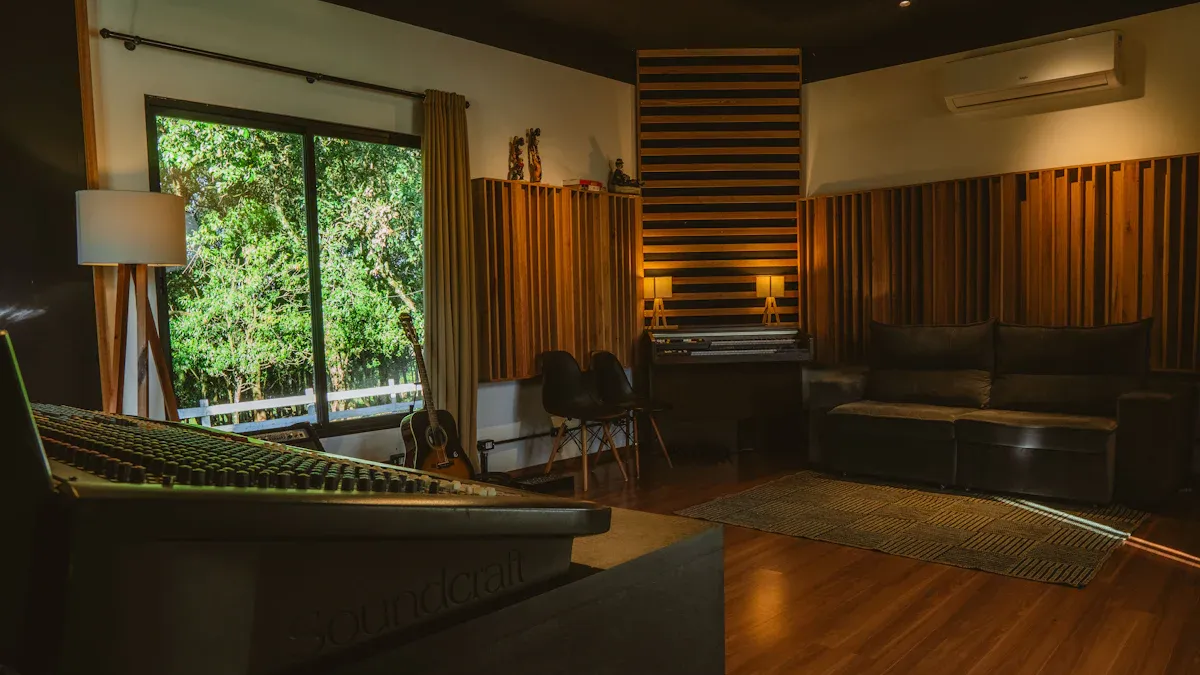
There are two main kinds of noise in a room. One is airborne noise. This is sound that moves through the air. It comes from talking, music, or machines. The other kind is impact noise. This happens when something hits a wall or floor. Footsteps and slamming doors make impact noise.
Acoustic panels are best for airborne noise. You will hear a big change if your room has lots of talking or music. In a busy restaurant, it can be hard to hear people. There is a lot of background noise. Acoustic panels lower this noise. You do not have to shout to talk. If you cannot hear people well or music sounds strange, panels help. They soak up echoes. This makes words easier to understand and music clearer.
You might wonder, "Do sound proofing panels work? Everything you need to know about acoustic panels for walls" is that they do not stop impact noise. If someone drops something upstairs, wall panels will not help. They cannot block heavy footsteps or slamming doors. They only soak up sound that bounces inside your room.
Tip: Use acoustic panels if you want speech or music to sound better in your room. If you want to stop noise from outside or other rooms, you need something else.
Some people think acoustic panels block all noise. This is not right. You should know what panels can and cannot do before buying them.
Here are some common limitations:
Limitation Type | Description |
|---|---|
Durability Issues | Acoustic panels are less tough than hard materials. They can get damaged more easily. |
Cleaning Difficulties | Fabric panels get dusty and stained. They need special cleaning tools. |
Aging and Fading | Sunlight or wet air can make panels fade and lose texture. |
Design and Color Restrictions | There are not as many colors or styles as other wall materials. |
Reduced Space Usability | Thick panels can take up space in small rooms. |
Potential for Over-Absorption | Too many panels can make a room too quiet. |
Environmental Concerns | Not all panels are eco-friendly, even if they say so. |
Need for Complementary Solutions | You may need other things besides panels to fix all noise problems. |
Some ads say panels will make your room "soundproof." This is not true. Panels only soak up sound inside the room. They do not block outside noise. Companies show high ratings for their panels. These ratings come from simple lab tests. Real rooms are more complicated. For example, the University of Salford found that real-world tests give better results than just one rating.
Here is a table that shows how ads can be different from real results:
Evidence Description | Key Points |
|---|---|
Testing Context | The University of Salford tests panels in real rooms, not just labs. |
Performance Metrics | Companies use one NRC rating, but this does not show how panels work in real life. |
Complexity of Testing | Real-world tests are harder and take longer, but they give better information. |
Remember, "Do sound proofing panels work? Everything you need to know about acoustic panels for walls" is that they help with echoes and make rooms sound better. They do not work like thick walls or special barriers. If you want to block noise from neighbors or traffic, you need more than just panels.
Note: Always check what you need before you buy. Acoustic panels are good for making your room sound better. They are not a magic fix for all noise problems.
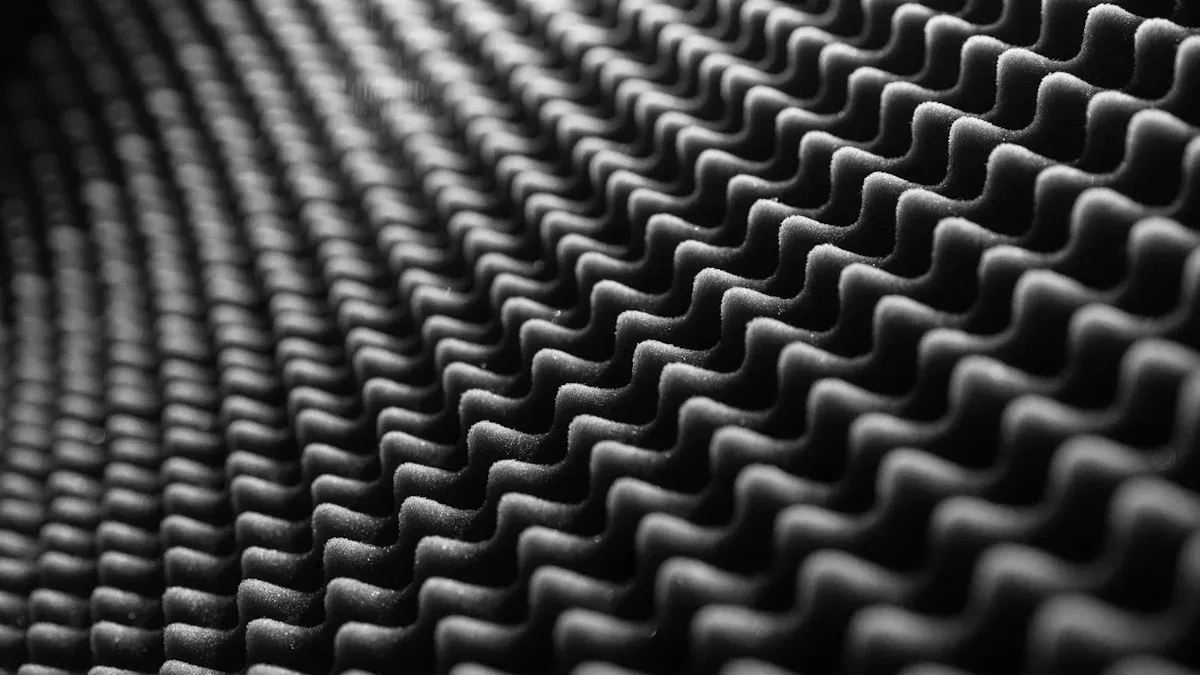
You need to think about your wall type before you install acoustic panels. Drywall and concrete walls work differently with sound. Drywall has less mass and density than concrete. This means drywall lets more sound pass through. Concrete blocks more sound because it is heavier and denser. Acoustic panels help absorb sound inside the room, but they do not stop sound from moving through the wall. The wall material changes how well the panels work.
Drywall lets more sound pass through than concrete.
Concrete blocks more sound because it is heavier.
Acoustic panels improve sound inside the room, not between rooms.
The wall material affects how much sound stays in the room.
Room size also matters. In a small room, sound bounces around more. You may need fewer panels to control echo. In a large room, sound travels farther. You may need more panels to get the same effect. Always measure your space before you buy panels.
Tip: Check your wall type and room size before you choose acoustic panels. This helps you get the best results.
Where you put your panels makes a big difference. You should target spots where sound bounces the most. These spots include the first reflection points on your side walls. Corners are also important because low sounds build up there. Covering large, flat areas helps reduce echo and makes sound clearer.
Place panels on first reflection points for better sound.
Add panels in corners to catch low sounds.
Cover big wall areas to cut down echo.
Panel quality matters too. Thicker panels absorb more sound. High-quality materials last longer and work better. Cheap panels may not give you the results you want.
Panel Feature | Why It Matters |
|---|---|
Thickness | Thicker panels absorb more sound. |
Material Quality | Better materials last longer. |
Placement | Good placement improves absorption. |
Note: You get the best sound when you use good panels and put them in the right places.
You may want to block noise, not just absorb it. In that case, you need true soundproofing solutions. These methods stop sound from passing through walls. You can choose from several options:
Insulation Materials: These fill the wall cavity and block sound. They work better than acoustic panels for stopping noise. You may need a professional to install them. Insulation can cost much more than panels. It can also make your room smaller by 2 to 3 square meters.
Mass-Loaded Barriers: These heavy sheets add mass to your walls. They block sound waves and boost the wall’s soundproofing power.
Structural Treatments: You can build double walls or use special drywall. These changes add mass and space, making it harder for sound to pass through.
Here is a table to help you compare:
Solution | Blocks Sound | Absorbs Echo | Cost | DIY Friendly | Space Impact |
|---|---|---|---|---|---|
✗ | ✓ | Low | Yes | None | |
Insulation Materials | ✓ | ✓ | High | No | Reduces space |
Mass-Loaded Barriers | ✓ | ✗ | Medium-High | Sometimes | Slight |
Structural Treatments | ✓ | ✗ | High | No | Reduces space |
Note: Insulation and structural changes cost more and need experts. Acoustic panels are cheaper and easy to install.
You should pick the right solution for your needs. Use acoustic panels if you want to:
Improve sound quality in home theaters or studios.
Make speech clearer in offices or conference rooms.
Reduce echo and reverb in large spaces.
Choose true soundproofing if you want to:
Block loud noise from neighbors or traffic.
Stop sound from leaving your room.
Think about these factors before you decide:
How much noise do you want to block?
Do you need better sound inside the room or less noise from outside?
What is your budget?
Do you want an easy DIY project or a full remodel?
Do you care about eco-friendly materials?
Tip: For echo control, look for panels with a high NRC rating. For blocking noise, check the STC rating of your wall system. Sometimes, you may need both for the best results.
You can install most acoustic panels without special tools. Many panels use simple adhesives or hang like picture frames. This makes them a good choice for DIY projects. You do not need to hire a contractor or make big changes to your walls. Here is a table that shows the price range for different wall sound treatments:
Material Type | Price Range | Best For |
|---|---|---|
Acoustic Foam Panels | $20–$60 / pack | Echo control, budget treatment |
Fabric Acoustic Panels | $40–$150 / panel | Offices, studios, home theaters |
Mass Loaded Vinyl (MLV) | $2–$4.50 / sq ft | Walls, floors, ceilings |
Soundproof Drywall | $40–$70 / sheet | Walls, high-performance builds |
Green Glue | $15–$25 / tube | Between drywall layers |
You should know about common installation challenges. Panels can get scratched or dented by sharp objects or heavy furniture. Fabric panels need special cleaning tools and can be damaged by water. Sunlight or humidity can fade colors and weaken adhesives over time.
For maintenance, wood acoustic panels are easy to care for. You only need to dust or vacuum them lightly. In normal rooms, clean them every three months. In dusty places, clean them once a month. Use a soft cloth or a vacuum with a brush. Do not use strong cleaners. Regular care keeps your panels looking good and working well.
Tip: Wood panels resist dust better than fabric ones. They last longer and cost less to maintain.
You get many benefits from acoustic panels. They are cost-effective compared to other soundproofing methods. You can install them in just an afternoon. You see and hear results right away. You do not need to rebuild your walls or spend a lot on labor.
Many people like how acoustic panels look. Stylish panels can make a room feel more comfortable and attractive. Surveys show that people feel up to 25% happier in rooms with nice acoustic treatments.
Acoustic panels improve sound quality and reduce noise.
They are easy to install and maintain.
You can use them in homes, offices, or studios.
They last a long time and keep working well.
If you want better sound and a nicer room without a big project, acoustic panels are a smart investment.
You now know that acoustic panels absorb echoes and improve sound quality inside a room. They do not block outside noise or stop sound from leaving. If you want true soundproofing, you need heavier materials or construction changes. Before you buy, think about your room size, noise type, and budget.
Wall panels work best for reducing echoes in small spaces. Test different placements to get the best results.
Choose panels for better sound, not for blocking noise.
You will not block neighbor noise with acoustic panels. These panels absorb echoes inside your room. They do not stop sound from passing through walls. For blocking noise, you need heavier materials or special construction.
You can install most acoustic panels without help. Many panels use adhesive strips or hooks. You do not need special tools. Always follow the instructions from the manufacturer for best results.
You should cover 20% to 30% of your wall space for good results. Measure your walls and check the panel size. More panels help in bigger rooms or rooms with lots of echo.
Acoustic panels work best for high and mid sounds. They do not stop deep bass or very loud music from leaving your room. For bass, you need special bass traps or thicker barriers.

